
Introduction to Breath, Concentration, Dharana, and Dhyana
Yoga is an ancient discipline offering methods for physical, mental, and spiritual harmony. Patanjali’s Yoga Sutras systematize the path, integrating breathwork (pranayama), concentration (dharana), and meditation (dhyana) as vital stages.
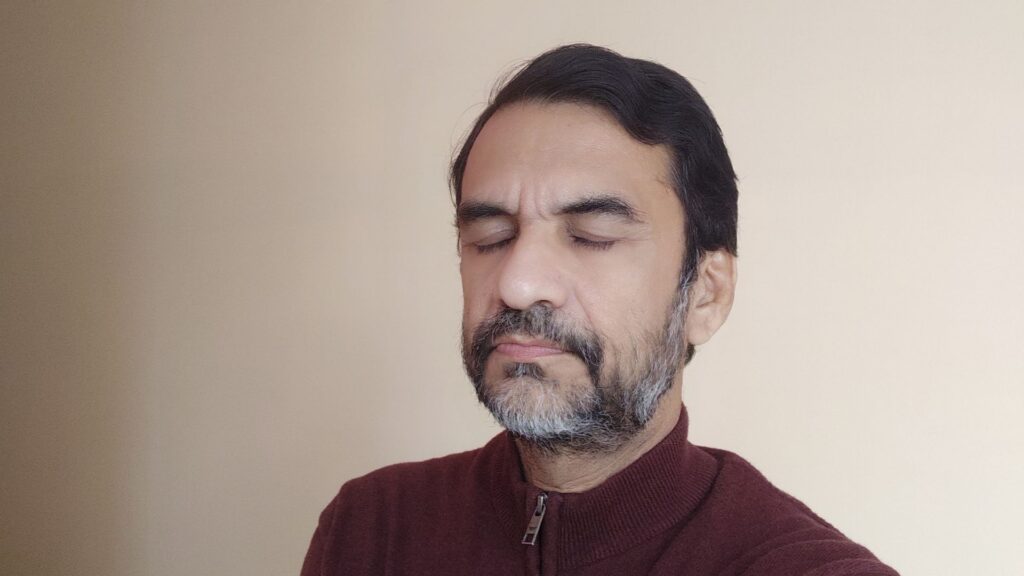
The Breath: Pranayama
Sanskrit Sloka:
तस्मिन्सति श्वासप्रश्वासयोः गतिकविच्छेदः प्राणायामः।
Tasmin sati shvasa-prashvasayor gati-vicchedah pranayamah.
Meaning:
“Once posture is mastered, regulation (cessation) of inhalation and exhalation is pranayama.” (Sutra 2.49)
Stepwise Breathwork
- Practice breath awareness and gentle, regulated breathing.
- Alternate Nostril breathing (Nadi Shodhana) and Ujjayi for calming.
- Gradually introduce retention (kumbhaka) and extend cycles with comfort.
- Avoid force; steady, smooth practice is vital.
Step-by-Step Breathwork Practice
1. Begin with Breath Awareness Start by simply observing your breath without trying to change it. Notice the rhythm, depth, and sensation of each inhale and exhale. This foundational awareness anchors the mind, calms the nervous system, and prepares the body for deeper practices. Gentle regulation—such as equalizing the length of inhalation and exhalation—can enhance focus and relaxation.

2. Introduce Calming Techniques: Nadi Shodhana & Ujjayi
- Nadi Shodhana (Alternate Nostril Breathing) balances the left and right energy channels (ida and pingala), promoting mental clarity and emotional stability.
- Ujjayi (Victorious Breath) involves a slight constriction of the throat, producing a soft oceanic sound. It warms the body, deepens concentration, and is especially useful during asana or meditation. Both techniques are excellent for reducing anxiety and cultivating inner stillness.
3. Gradual Integration of Retention (Kumbhaka) Once the breath is steady and comfortable, gently introduce Kumbhaka—the pause between inhalation and exhalation. Begin with short holds after inhaling (antara kumbhaka) and eventually after exhaling (bahya kumbhaka), always within your comfort zone. Retention enhances vitality, builds lung capacity, and deepens meditative states. Progress slowly and mindfully, never straining.
4. Prioritize Ease Over Intensity Pranayama is not a performance—it’s a refinement. Avoid forcing the breath or pushing beyond your limits. A smooth, unhurried rhythm is key to unlocking its transformative effects. Consistency, patience, and a relaxed attitude will yield far greater benefits than intensity or speed.
Concentration: Dharana
Sanskrit Sloka:
देशबन्धश्चित्तस्य धारणा।
Desha bandhas chittasya dharana.
Meaning:
“Concentration is the binding of the mind to one place.” (Sutra 3.1)
- Focus on a chosen object (breath, mantra, energy center).
- Bring back wandering attention, gently and repeatedly.
Meditation: Dhyana
Sanskrit Sloka:
तत्र प्रत्ययैकतानता ध्यानम्।
Tatra pratyaya ekatanata dhyanam.
Meaning:
“Meditation is the continuous flow of attention towards an object.” (Sutra 3.2)
- From focused concentration, allow attention to flow uninterruptedly.
- Effortless awareness and deep stillness signal true meditation.
Hindrances (Obstacles) to Meditation in Patanjali Yoga Sutra
Sanskrit Sloka (Sutra 1.30):
व्याधिस्त्यानसंशयप्रमादालस्याविरतिभ्रान्तिदर्शनालब्धभूमिकत्वानवस्थितत्वानि चित्तविक्षेपास्तेऽन्तरायाः ॥३०॥
vyādhi styāna saṃśaya pramāda ālasya avirati bhrānti darśana alabdha bhūmikātvā anavasthitatvāni citta vikshepāḥ te antarāyāḥ
Meaning:
“Disease, mental inertia, doubt, carelessness, laziness, lack of moderation, delusion, the inability to attain stages of practice, and instability in those states—these are the distractions (hindrances) of the mind that are obstacles.”
1. Vyadhi (व्याधि) — Illness/Disease
Physical or mental illness that disrupts steady practice, causes discomfort, restlessness, fatigue, or lack of enthusiasm. Both body and mind are involved; healing and nurturing are essential.
2. Styana (स्त्यान) — Mental Inertia/Languor
Sluggishness, lack of mental sharpness, dullness, or apathy. Difficulty in focusing, absorbing, or remembering teachings and instructions. Mental “heaviness” interrupts clarity.
3. Samshaya (संशय) — Doubt
Lack of faith in oneself, the teachings, or the efficacy of the practice. Uncertainty about the path, method, or spiritual experiences, leading to hesitation and fragmentation of focus.
4. Pramada (प्रमाद) — Carelessness/Negligence
Inattentiveness in daily discipline, indifference to guidance, distractions by trivial matters. Practicing mindlessly, not correcting mistakes or errors in technique.
5. Alasya (आलस्य) — Laziness
Idleness, lethargy, unwillingness to exert effort, avoiding commitment or regularity in sadhana (practice). Often manifests as procrastination or frequent excuses for not practicing.
6. Avirati (अविरति) — Sensuality/Lack of Detachment
Inability to withdraw the mind from sensory pleasures, cravings, attachments, or external distractions. Excessive indulgence interferes with inner focus.
7. Bhranti Darshana (भ्रान्तिदर्शन) — False Perception/Delusion
Misunderstanding spiritual teachings, hallucinations, or being misguided by wrong philosophies or incorrect experiences. False interpretation of meditative realizations leads astray.
8. Alabdha Bhumikatva (अलब्धभूमिकत्व) — Non-Attainment/Failed Progress
Inability to reach deeper states of meditation despite earnest effort. Feeling “stuck” or experiencing lack of advancement in spiritual milestones.
9. Anavasthitatva (अनवस्थितत्व) — Instability/Fickleness
Having reached a state of progress but being unable to maintain or sustain it. Practice or attainment is short-lived due to mental restlessness or external disruption.
Additional Subtle Hindrances
Vikshepa (विक्षेप) — Distraction/Scattering
The core underlying malaise—restlessness or scattering of attention that leads to all obstacles. It is the immediate disturbance before the obstacles take hold.
Laya (लय) — Mental Dormancy
Laya is a sanskrit word. When one tries to focible control the mind, one falls asleep. This is Laya. Laya is a very refreshing and restful sleep, and those not experienced in meditation, may consider it some kind of spiritual experience. This is a state where the mind becomes blank or sinks into dull inertia rather than alert presence. The meditator is “lost” instead of absorbed, risking mental torpor.
Rasaswada (रसास्वाद) — Tasting Bliss/Attachment to Pleasure
Rasa-Swada means tasting something sweet and favourable. This obstacle is encountered after the meditator has made considerable spiritual progress through meditation, and yet not reached the goal. The meditator has grown fond of the taste of some intermediate joyful spiritual experiences, has become stuck there and does not want to progress further and strive for God-Vision.
Attachment to pleasant sensations or inner “visions” arising from meditation, mistaking temporary bliss for true absorption. It leads away from genuine progress, causing stagnation.
How They Manifest
Patanjali notes common “symptoms” that accompany these hindrances:
- Sadness (duhkha), bitterness or depression (daurmanasya)
- Restlessness in body (angamejayatva)
- Irregular or disturbed breath (shwasa-prashwasa)
These signs are warning signals that obstacles are overtaking the meditator.
Understanding and recognizing these obstacles is crucial. Regular practice, guidance, and self-awareness help overcome them on the path to meditative stability and spiritual growth.The major hindrances to meditation in Patanjali Yoga Sutra are called antarayas (obstacles) or vikshepas (mental distractions). Each term denotes a subtle barrier to steady, transformative meditation practice.
Symptoms and Signs
These obstacles manifest as sadness, bitterness, restlessness in the body, and disturbed breathing. Recognizing them is essential for progress—addressing these helps reclaim focus, stability, and depth in meditation.
Understanding and mastering these hindrances, through regular self-awareness, discipline, and guidance, leads to stability and transformation in meditation.
Hazards of Meditation
- Mental instability or confusion if practice is unregulated.
- Aggravation of latent psychological issues if not guided appropriately.
- Physical discomfort from poor posture or strained breathwork.
Controlling and Regulating Focus
- Steady and regular practice (abhyasa) & detachment (vairagya) are keys.
- Repeatedly and gently bring attention back when distracted.
- Use the breath, mantra, or image as an anchor.
Guidance for Beginners
- Start with simple breath awareness and short periods.
- Be patient and consistent—progress is gradual.
- Seek wise instructions or teacher guidance to avoid hazards, and practice in a clean, quiet space.
- Begin each session with relaxation, then focus, then meditation.
Benefits of Meditation
- Deep relaxation, stress reduction, emotional stability.
- Enhanced concentration, mental clarity, self-awareness.
- Supports physical health (blood pressure, immunity).
- Fosters spiritual growth and inner peace.
Types of Meditation
- Focused Attention: (breath, mantra, candle flame).
- Open Monitoring: (observing thoughts and emotions without judgement).
- Transcendental Meditation: (using a mantra for deep absorption).
- Visualization Meditation: (imagining scenes or deities).
Meditation in the Four Yogas
Bhakti Yoga (Yoga of Devotion)
This path is meant primarily for people, who are temperamentally emotional and respond easily to love and affection.
- Meditation focuses on a deity or divine image.
- Chants, prayers, and surrender cultivate loving absorption.
Jnana Yoga (Yoga of Wisdom)
Jnana Yoga or the path of rational enquiry> This path is prescribed for people of rational temperament to whom reason appeals more than faith.
- Self-inquiry, contemplation on scriptural truths.
- Meditation examines “Who am I?” and discerns reality from illusion.
Karma Yoga (Yoga of Selfless Action)
Karma Yoga, the path of right action, is most attractive to the people, who are habitually very active.
- Mindfulness in action; meditation involves service, done without attachment.
- Actions as meditation, dedicating results to the divine.
Raja Yoga (Royal Path)
This is the path of psychic control. Raja Yoga is for aspirants, who are of meditative temperament with a natural yearning to completely master their minds.
- Patanjali’s Ashtanga Yoga: yama, niyama, asana, pranayama, pratyahara, dharana, dhyana, samadhi.
- Meditation as progressive stages leading to complete absorption.
All these paths, except for Karma Yoga, prescribe their own kinds of Meditation to experience Divinity. The path of Karma Yoga teaches the practice of selfless action as a means to experience divinity.It does not teach Meditation. Raja Yoga, however, puts maximum emphasis on Meditation.
Sanskrit (General):
योगश्चित्तवृत्तिनिरोधः।
Yogash chitta vritti nirodhah.
“Yoga is the cessation of fluctuations of the mind.” (Sutra 1.2)
Leave a Reply