
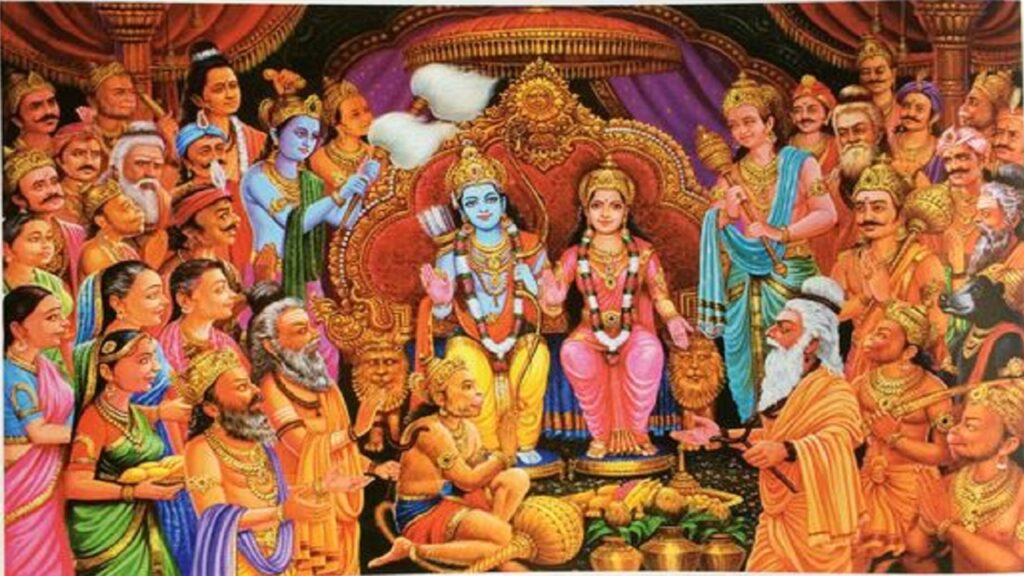
In the vast landscape of Indian spirituality and mythology, Ram Rajya symbolizes the epitome of just, peaceful, and prosperous governance. Rooted in the legendary reign of Lord Rama, an incarnation of divinity, Ram Rajya represents the perfect harmony between rulers and citizens, where dharma (righteousness) governs, and every individual enjoys justice, happiness, and security.
The Essence of Ram Rajya
The Spiritual Essence of Ram Rajya
Rooted deeply in the principles of righteousness (dharma), Ram Rajya embodies:
- Fair and just leadership serving all equally
- Protection and respect for every individual, especially the vulnerable
- Social harmony where justice and compassion prevail
- Prosperity arising from ethical living and collective well-being
Lord Rama is celebrated through the verse:
“विश्वस्य लोकस्याधिपः रामः” – “Rama is the sovereign of the entire world.”
This highlights his role as the ideal king who governs for the welfare of all.s leadership serves selflessly, and citizens live in mutual respect and fulfillment. Ram Rajya offers a vision for both individual and societal transformation, inspiring leaders and people alike to strive for a balanced, just, and harmonious world.
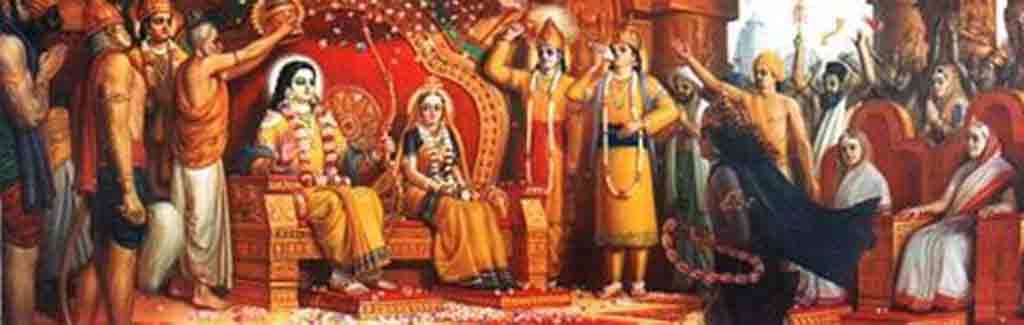
After Lord Rama returned to Ayodhya following his 14 years of exile and the victory over Ravana, his coronation was celebrated with grand festivities, marking the beginning of the ideal kingdom known as Ram Rajya. This period is renowned for Rama’s perfect balance of justice, compassion, and dedication to dharma (righteousness).
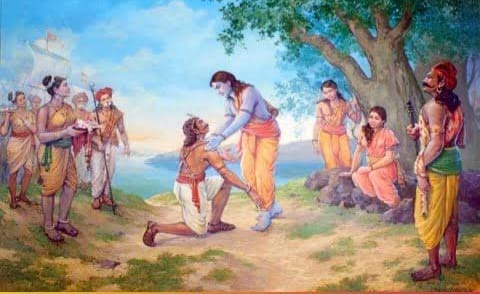
One notable example of his benevolent governance concerns his devotion to fairness and protection of his people, regardless of their status. He dispensed justice transparently and without fear or favor.
Moreover, Rama was deeply accessible to his subjects. He often walked among them, hearing their grievances and joys alike. His ministers were chosen for their wisdom and integrity, and he ensured that welfare schemes uplifted the marginalized and vulnerable.
According to the Valmiki Ramayana, Rama established a judicial system where judges were appointed solely based on merit and virtue, not wealth or lineage. He repeatedly stated that a king must serve his people selflessly, safeguarding their well-being as the highest duty.
Rama’s rule became a golden era because it was founded on Maryada—the highest ethical conduct and respect for all. Citizens enjoyed security, prosperity, and respect for their rights—a true embodiment of the ideal Ram Rajya.
Inspirational Story: The Gift of Ram Rajya
Once, in a small village in ancient Bharat, the people lived under a greedy ruler who cared only for wealth and power. The villagers suffered injustice and fear, their hopes dimmed by unfair taxes and cruelty. One day, a wise elder told them about Ram Rajya — the kingdom of Lord Rama where justice, peace, and prosperity prevailed.
Driven by this inspiring vision, the villagers vowed to embody Ram Rajya in their community. They began helping each other, resolving conflicts with fairness, and living by the principles of truth and compassion taught by Lord Rama. Slowly, their collective spirit transformed the village.
The story reached the ears of the greedy ruler, who came to see this change for himself. Witnessing the unity, joy, and respect among the villagers, his hardened heart softened. Inspired by their example and the ideals of Ram Rajya, the ruler reformed his ways, governing with kindness and justice.
The village became a beacon of hope and happiness, illustrating that Ram Rajya is not merely a distant myth but a living, breathing reality when dharma guides us all.
Rama and the Dog’s Justice
After Lord Rama returned to Ayodhya and took charge as king, he was known for sitting daily in his royal court personally listening to the grievances and problems of his subjects. One day, after finishing the day’s hearings, Rama was about to conclude the court proceedings. He sent his brother Lakshmana to check if anyone else was waiting for justice.
Lakshmana came back saying no one was left, but Rama asked him to look again. Upon a second look, Lakshmana found nobody except a dog sitting sorrowfully with a wound on its head.
The dog approached Rama’s court and said, “O Rama, I seek justice. A man named Sarvarthasiddha struck me on the head cruelly without any reason. I want justice.”
Rama, moved by the dog’s plea, called the accused man to court. After hearing both sides, Rama ordered the offender to compensate the dog and ensured that such unprovoked violence would not be tolerated under his rule.
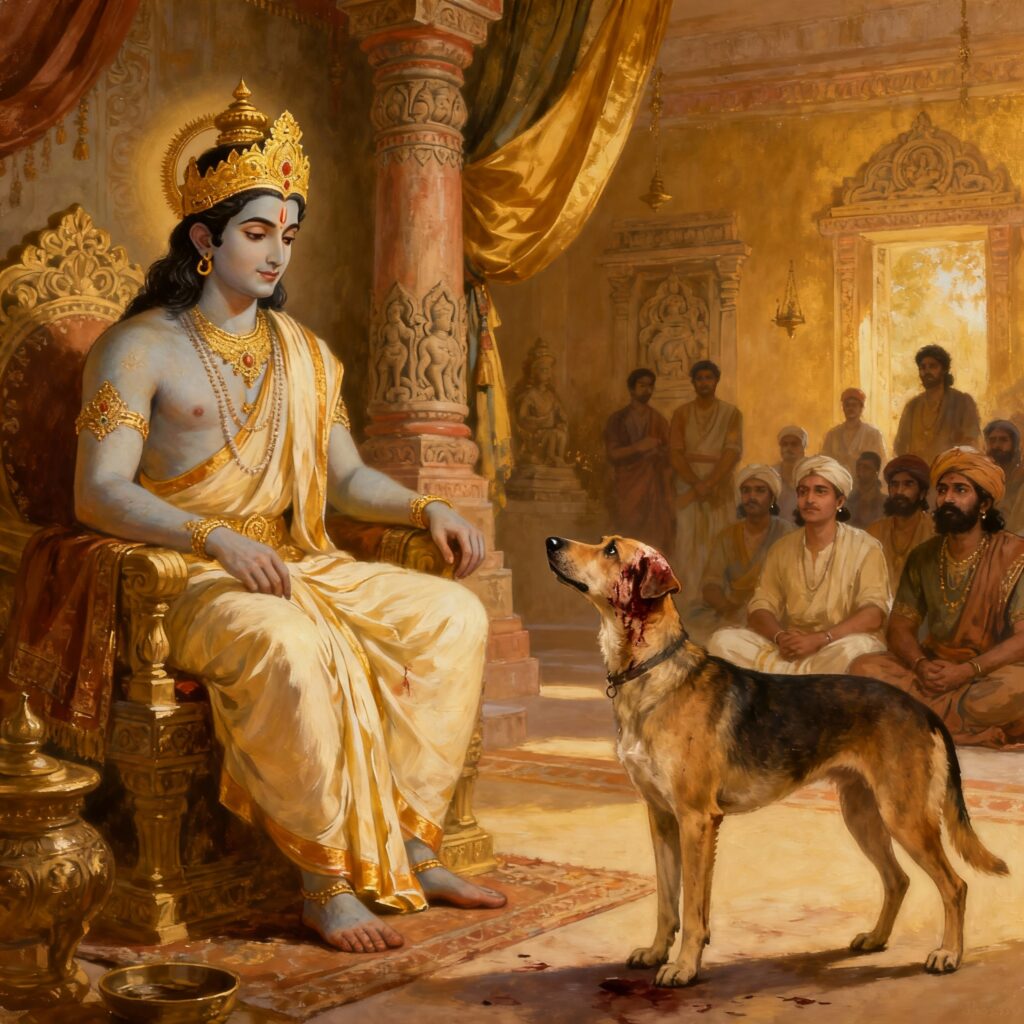
This incident illustrates Lord Rama’s deep commitment to justice, where even a humble dog’s suffering was given equal weight as human concerns. It exemplifies the ideal ruler’s benevolence, fairness, and duty to protect all beings without bias.
This story reflects Ram Rajya as envisioned by Rama—where justice is impartial, no grievance is too small, and compassion guides rulership.
This story from the Ramayana highlights Lord Rama’s ideal as a ruler who was just and compassionate, setting a timeless example of governance rooted in dharma and service for future generations.
Here is the complete story of the Washerman from sacred texts that illustrates a key episode after Rama’s return, highlighting themes of justice, societal perception, and dharma:
The Washerman’s Story: An Episode After Lord Rama’s Return
After Lord Rama returned to Ayodhya and was crowned king, he wanted to know how his people viewed his reign and himself. For this, Rama sent six spies to observe and report back on the sentiments of his citizens.
Five spies returned with glowing reports of love, respect, and admiration from all sections of society. However, the sixth spy, who visited the quarters of common artisans and laborers, heard disturbing words from a washerman.
This washerman, whose eyes were filled with anger, beat his wife accusing her of wrongdoing simply because she had stayed at another man’s house for a day during Rama’s exile. The washerman bluntly stated that unlike Lord Rama, who had accepted Sita after her captivity in Lanka, he could never tolerate such behavior from his wife. He declared, “I am not Rama who protected his wife Sita, who stayed in another’s house.”
Despite his mother’s pleas to forgive and accept the wife back, the washerman remained adamant and scorned her. Such harsh words and behavior revealed the prejudice and misunderstanding among the common folk regarding dharma, honor, and the ideals Rama espoused.
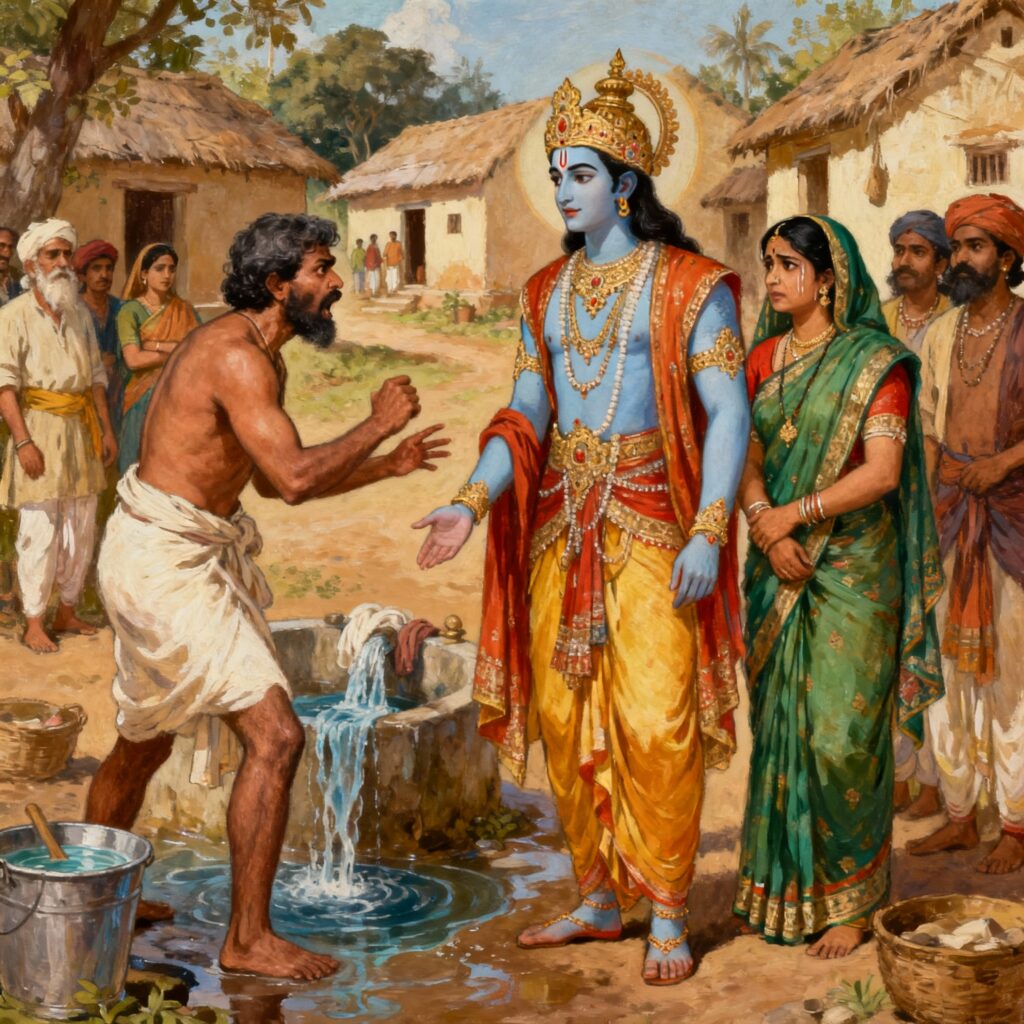
When the spy reported this to Rama, the shock was so severe that Rama fainted. Upon regaining consciousness, Rama expressed his distress, saying that the washerman’s insulting remarks brought disrepute to his lineage and questioned whether he should abandon pregnant Sita or even consider ending his own life. Rama’s brother Bharat tried to console and dissuade him, reminding Rama that divine assurance of Sita’s purity existed, but Rama struggled deeply with the potential scandal that public opinion might cause.
This episode from the Padma Purana and other texts highlights:
- The challenge of upholding dharma in the face of societal misunderstanding.
- Rama’s profound sensitivity to public perception and his struggle balancing personal truth with kingly duty.
- The washerman’s harshness represents the ordinary human failing to grasp transcendent dharma yet has to be accounted for in ruling justly.
Ultimately, this story is part of larger narratives about Rama’s rule and trials, teaching that even an ideal king faces complex dilemmas when managing justice, honor, and the welfare of his people.
This complete story showcases the tension between justice, reputation, and compassion that Lord Rama navigated, reflecting the deep moral and social layers underlying his reign.
Lessons from Ram Rajya for Today
- Leadership through service: True leaders serve their people with humility and justice, not selfish gain.
- Community harmony: Peace and prosperity flourish where mutual respect and cooperation prevail.
- Personal integrity: Following dharma in daily life creates a ripple effect, uplifting society.
- Hope and transformation: Even the darkest situations can change with commitment to righteousness.
Ram Rajya remains an inspiring ideal for all humanity, reminding us that a society grounded in dharma, compassion, and justice—where everyone’s rights and dignity are honored—is not only possible but essential.
Let this vision inspire your actions and aspirations, whether in leadership, community, or personal life, to contribute to a world that reflects the timeless glory of Ram Rajya.
Leave a Reply