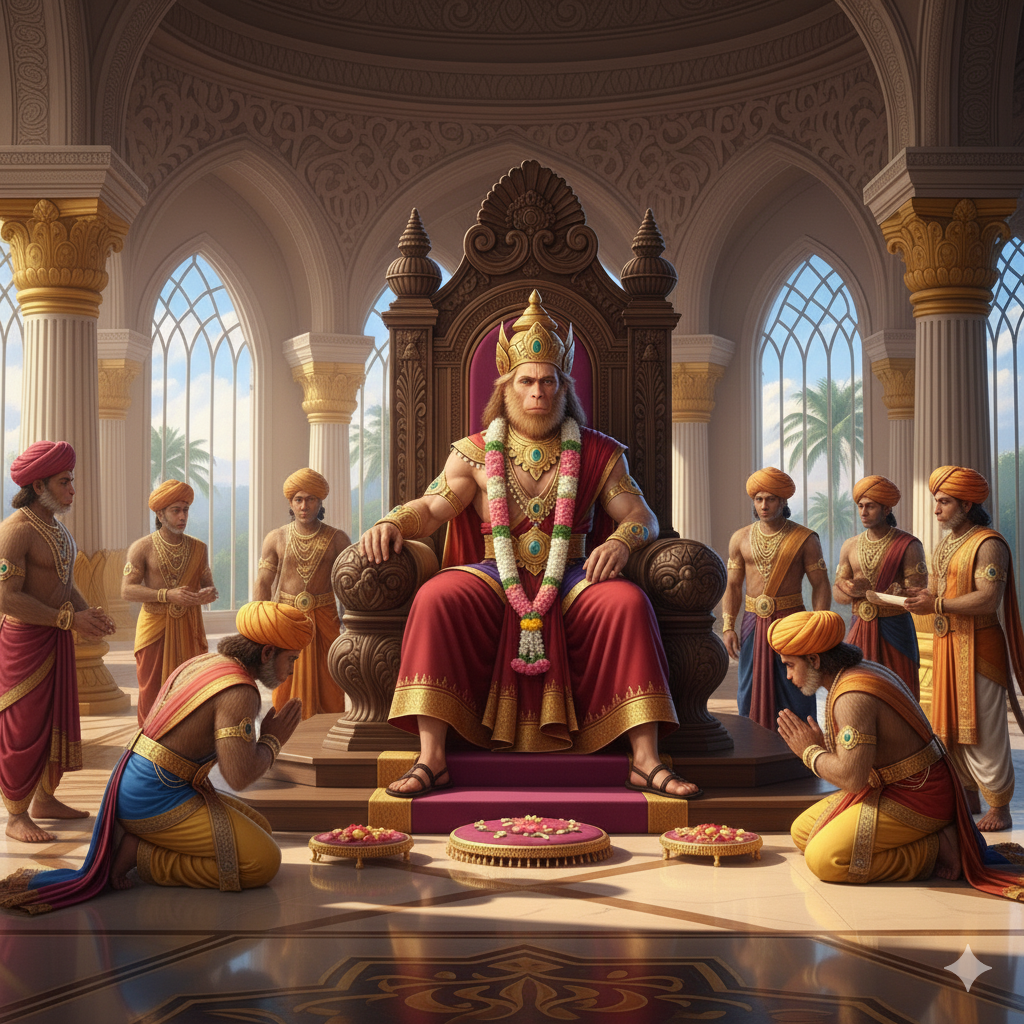
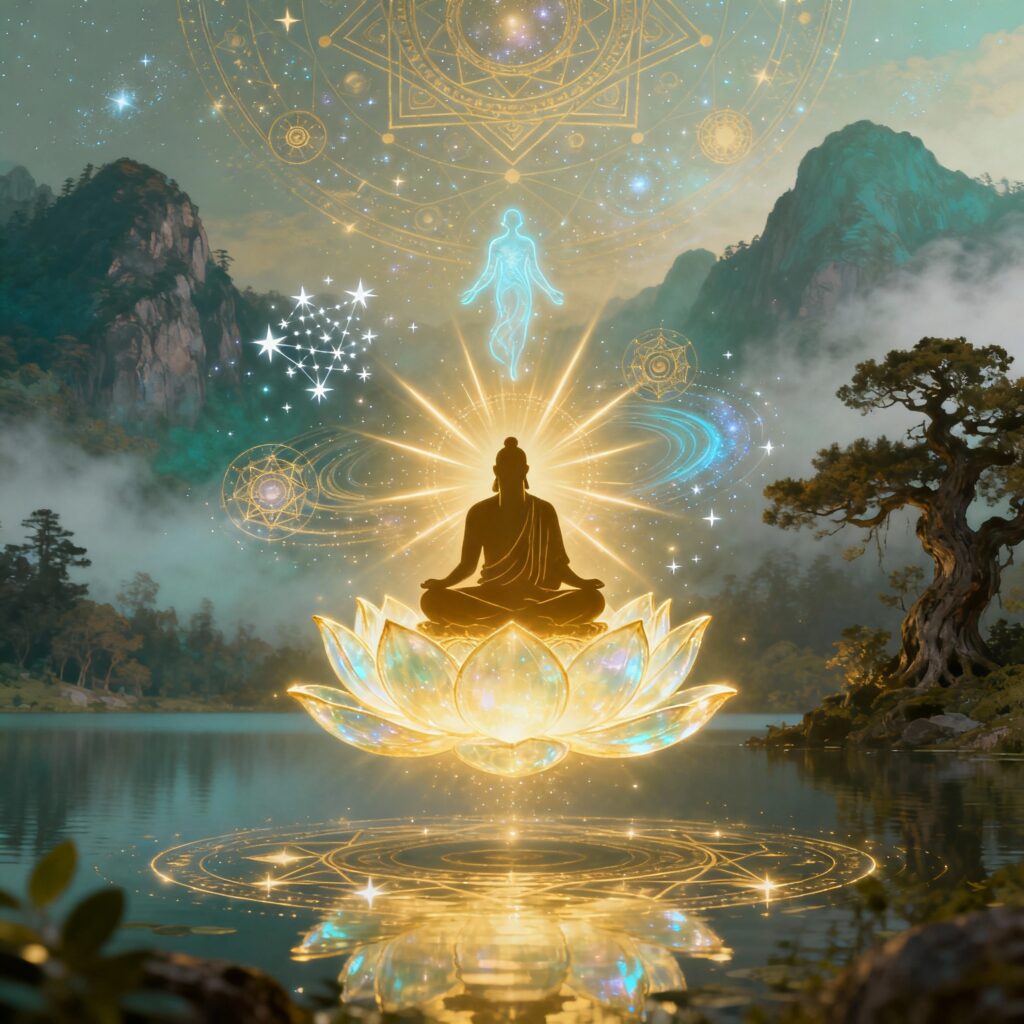
Find lasting serenity in our chaotic world. The Upanishads offer profound, life-changing wisdom that transcends time, guiding you beyond fleeting distractions to discover unshakable inner peace and your true, radiant Self. This ancient knowledge holds the key to ultimate freedom and tranquility today.
The key philosophical concepts of the Upanishads are deeply embedded in the historical and cultural backdrop of ancient India, marking a significant transformation in spiritual and philosophical thought.
Historical Context and Dating:
The Upanishads are ancient Indian texts composed orally in Sanskrit between approximately 700 BCE and 300 BCE. They represent the concluding portions of the Vedas (the oldest sacred scriptures of Hinduism), hence often called Vedanta, meaning “the end of the Vedas.” Their composition occurred during the late Vedic period, a time characterized by a shift from ritualistic sacrifices to introspective philosophical inquiry. This era, from roughly 800 to 400 BCE, saw profound changes in religious practices and social structures, paving the way for more abstract explorations of reality and the self.
Among the key Upanishads, the Brihadaranyaka and Chandogya Upanishads are considered the oldest, dating from around the 7th to 6th centuries BCE. These were followed by texts such as Taittiriya, Aitareya, and Kausitaki, composed between the 6th and 5th centuries BCE. Later Upanishads like Kena, Katha, Isa, Svetasvatara, and Mundaka emerged in the last few centuries BCE and introduced theistic and meditative elements. Some of the prose Upanishads like Prasna and Mandukya are believed to be from the early centuries CE.
Influence and Legacy:
The Upanishads profoundly influenced not only Hindu philosophy but also laid the foundation for schools such as Advaita Vedanta (non-dualism), Vishishtadvaita, and Dvaita. Their exploration of Atman (self), Brahman (ultimate reality), karma (action and consequence), samsara (cycle of birth and death), and moksha (liberation) shaped Indian spiritual thought.
The reach of the Upanishads extended beyond India when Mughal prince Dara Shikoh translated them into Persian in the 17th century, promoting their universal spiritual message.
Thus, the Upanishads not only embody timeless philosophical insights but also reflect a rich historical evolution, emerging from ritualistic beginnings to a profound discourse on consciousness and liberation, providing an enduring spiritual legacy across cultures and centuries.
The key philosophical concepts of the Upanishads are centered around the nature of the self, ultimate reality, and the path to liberation. These texts explore the relationship between the individual soul (Atman) and the universal reality (Brahman), along with supporting ideas such as karma, maya, and moksha.
Atman and Brahman
Atman is described as the true, innermost self of an individual, beyond physical or mental identitBrahman is the ultimate, formless, and transcendent reality underlying all existence; the Upanishads teach that Atman and Brahman are fundamentally one.
Unity and Non-Dualism
The Upanishads express the identity or essential unity between Atman and Brahman, captured in phrases like “Tat Tvam Asi” (“That Thou Art”) This leads to non-dualistic philosophies (Advaita), which identify ultimate reality as formless, indivisible, and universal consciousness.
Maya (Illusion)
Maya refers to the cosmic illusion or ignorance which causes the perception of separation and plurality in the world. It veils true understanding of non-dual reality.
Karma and Samsara
Karma is the law of moral cause and effect, governing actions and their consequences across lifetimes. Samsara is the cycle of birth, death, and rebirth, perpetuated by ignorance and karma.
Moksha (Liberation)
Moksha is liberation from samsara, achieved through self-realization and knowledge of the Atman-Brahman unity.Attaining moksha is considered the highest purpose of life and brings freedom from suffering and the limitations of material existence.
Sat-Chit-Ananda
The Upanishads describe the essence of Brahman as Sat (absolute existence), Chit (pure consciousness), and Ananda (supreme bliss). This triad defines the true nature of reality, transcending all dualities.
Knowledge, Meditation, and Ethics
Knowledge (Jnana) is emphasized as the means to liberation, attained through meditation, ethical behavior, and contemplation. The Upanishads highlight virtues like truthfulness, compassion, self-restraint, and detachment, which are necessary for clearing ignorance and realizing one’s true self.
These core concepts form the philosophical foundation of Hindu thought and have deeply influenced spiritual traditions throughout India and beyond.
Role of Meditation and Knowledge in achieving Moksha
Role of Meditation

Meditation (Dhyana) serves to calm and purify the mind, removing distractions and preparing the seeker for deeper spiritual insights.Through sustained meditative introspection, practitioners experience the oneness of Atman and Brahman, directly perceiving non-duality.The Upanishads suggest that meditation causes the dissolution of ego and ignorance, leading to inner purity and readiness for self-realization
Role of Knowledge
Knowledge (Jnana) in Upanishadic philosophy is not merely intellectual but experiential—it’s the transformative realization of the self’s identity with Brahman.Self-knowledge liberates the seeker from attachment to the body, desires, and the cycle of karma; it is the realization that “I am Brahman” (Aham Brahmasmi).The Upanishads emphasize that rituals, possessions, or worldly achievements cannot grant Moksha; only direct, experiential knowledge can.
Interdependence and Integration
Meditation prepares the mind for higher knowledge, while knowledge deepens the meditative experience—both are viewed as inseparable and mutually reinforcing on the spiritual journey.Together, they constitute the Upanishadic way, combining practical discipline with philosophical insight for complete liberation.
In summary, meditation purifies and focuses the mind, enabling the flowering of self-knowledge, which alone leads to Moksha. This integrated approach—unique to the Upanishads—remains a cornerstone of Indian spiritual practice.
Leave a Reply