What is Navaratri
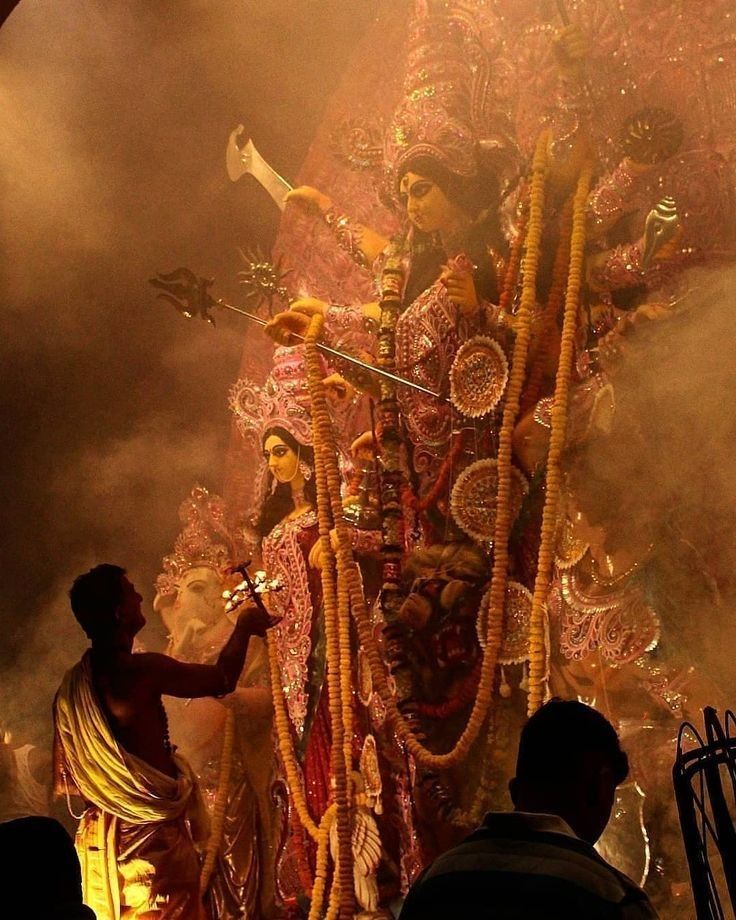
Navaratri is a major Hindu festival celebrated over nine nights in honor of Goddess Durga, the divine feminine power (Shakti).
It symbolizes the triumph of good over evil, commemorating Durga’s victory over the demon Mahishasura after a fierce battle lasting nine days and nights.
Each day is dedicated to one of the nine forms of the goddess, representing different aspects of strength, knowledge, and protection.
The festival includes rituals, fasting, prayer, music, and dance, promoting spiritual reflection, renewal, and community bonding.
Navaratri is a time to invoke divine energy, seek blessings, and celebrate cultural unity through devotion and festivity.
Annual Timing
There are four Navratris each year, but the two most widely observed are:
1. Chaitra Navratri (Spring)
- Month: Chaitra (March–April)
- Tithi: Begins on Shukla Paksha Pratipada (first day of waxing moon)
- Ends: On Ram Navami (ninth day)
2. Sharad Navratri (Autumn)
- Month: Ashwin (September–October)
- Tithi: Begins on Shukla Paksha Pratipada
- Ends: On Vijayadashami (Dussehra)
Yearly Pattern for Sharad Navratri
| Year | Start Date | End Date | Tithi |
|---|---|---|---|
| 2025 | Sept 22 | Oct 2 | Ashwin Shukla Pratipada to Dashami |
| 2026 | Oct 11 | Oct 20 | Ashwin Shukla Pratipada to Dashami |
| 2027 | Oct 1 | Oct 10 | Ashwin Shukla Pratipada to Dashami |
Each day honors a different form of Durga Maa, with rituals, fasting, and mantras that align with her divine attributes.
Durga Puja Begins – Maha Saptami & Maha Ashtami
Ritual Highlights
- Maha Saptami: Marks the formal beginning of Durga Puja with Prana Pratishtha and Nabapatrika Snan, invoking the goddess through sacred plants.
- Maha Ashtami: The most auspicious day featuring Pushpanjali, Kumari Puja, and the powerful Sandhi Puja, performed at the juncture of Ashtami and Navami.
Would you like help designing a visual calendar or a countdown widget for these sacred days? We could also create a printable puja guide with mantras, timings, and symbolic meanings for each ritual. Let’s bring the divine rhythm to life.
Durga Puja celebrates Goddess Durga’s victory over Mahishasura, symbolizing the triumph of good over evil.
Key Rituals
- Mahalaya: Invocation of the goddess (Sept 21)
- Saptami: Nabapatrika Snan—ritual bathing of nine sacred plants
- Ashtami: Kumari Puja and Sandhi Puja at the juncture of Ashtami and Navami
- Bhog offerings: Khichuri, labra, sweets
Durga Puja unfolds over five main days: Shashthi, Saptami, Ashtami, Navami, and Vijayadashami, each with its own spiritual significance and ritual depth.
1. Mahalaya (Invocation Day)
- Marks the descent of Goddess Durga from her celestial abode.
- Devotees recite Chandi Path and listen to devotional songs like Mahishasura Mardini.
- Symbolizes the awakening of divine feminine energy.
2. Shashthi (Welcoming the Goddess)
- Bodhan ritual: The idol is unveiled and the goddess is invoked into the clay form.
- Kalash Sthapana: Sacred pot placed to represent divine presence.
- Begins the formal worship.
3. Saptami (Nabapatrika Snana)
- Nine sacred plants (banana, turmeric, pomegranate, etc.) are bathed and placed beside the idol.
- These represent the nine forms of Durga, symbolizing nature’s bounty and divine embodiment.
4. Ashtami (Kumari & Sandhi Puja)
- Pushpanjali: Floral offerings with mantras.
- Kumari Puja: Worship of young girls as living embodiments of Shakti.
- Sandhi Puja: Performed at the exact juncture of Ashtami and Navami (48-minute window), honoring Durga’s fierce form that slayed Mahishasura.
5. Navami (Maha Aarti & Bhog)
- Grand aarti with conch shells, bells, and incense.
- Bhog offerings: Khichuri, Labra, sweets—symbolizing nourishment and community.
6. Vijaya Dashami (Visarjan & Sindoor Khela)
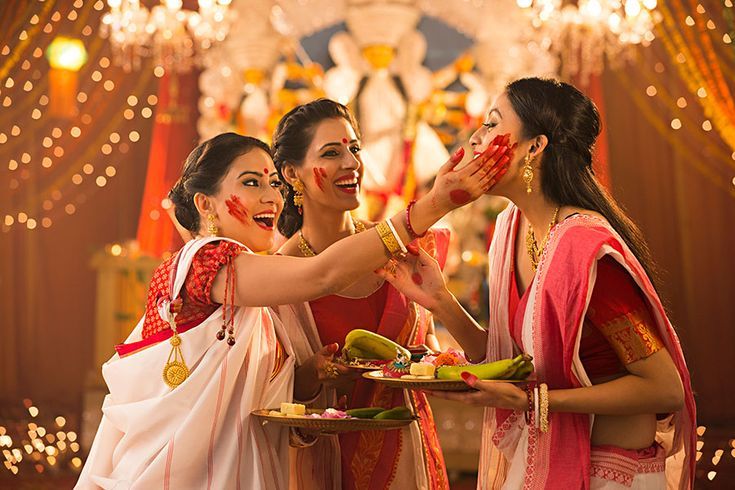
- Sindoor Khela: Married women smear vermilion on each other and the goddess, celebrating feminine power and unity.
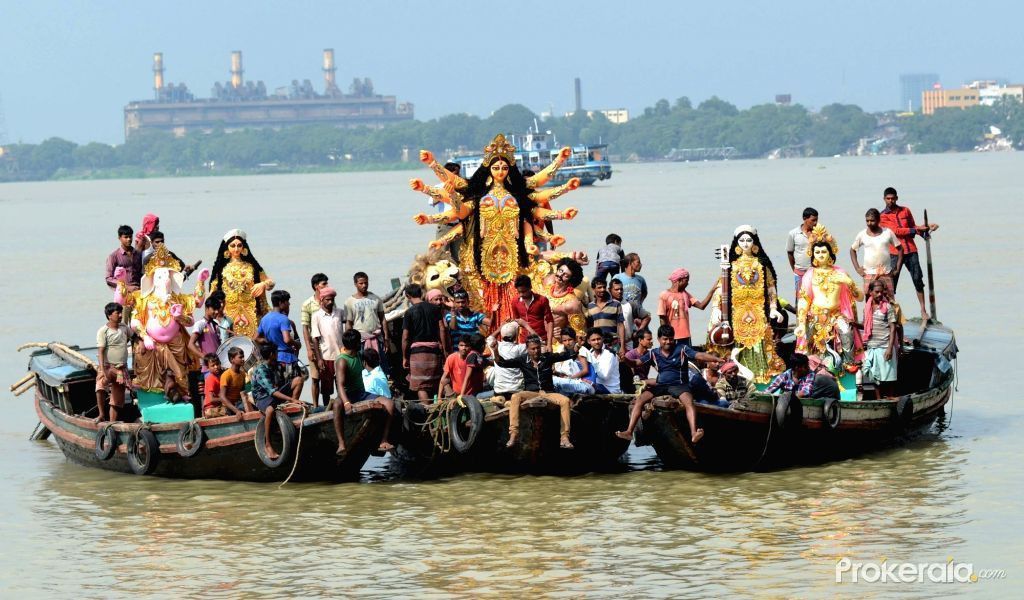
- Visarjan: Immersion of the idol in water, symbolizing the goddess’s return to her celestial home and the cycle of creation and dissolution.
Cultural Expression – The Soul of the Festival
Durga Puja is not just ritual—it’s a living canvas of devotion, art, and community spirit.
1. Pandal Artistry
- Temporary temples (pandals) are built with themes ranging from mythology to social issues.
- Crafted by artisans over months, these are visual meditations—each telling a story of divine presence.
2. Dhunuchi Naach
- Devotees dance with earthen pots filled with burning incense.
- A ritual of surrender, rhythm, and ecstatic devotion.
3. Cultural Performances
- Classical music, dance dramas, poetry readings, and folk theatre.
- Celebrates Bengali heritage, but also welcomes pan-Indian and global expressions.
4. Bhog & Community Feasts
- Khichuri (rice-lentil mix) and Labra (mixed vegetables) are offered to the goddess and shared as prasad.
- Symbolizes equality, nourishment, and gratitude.
5. Traditional Attire & Ritual Dress
- Women wear red-bordered sarees, men don dhotis and kurtas.
- The attire reflects purity, celebration, and cultural pride.
6. Global Diaspora Celebrations
- Bengali communities across the world recreate Durga Puja with local flavor.
- From New Jersey to Singapore, the goddess travels with her devotees, uniting hearts across continents.
Cultural Expression
From pandals to Sindoor Khela, Durga Puja is both spiritual and artistic, especially in Bengal, Odisha, and diaspora communities
What Is Sindoor Khela?
Sindoor Khela literally means “playing with vermillion.” Traditionally, it is a ritual where married Bengali women:
- Apply sindoor (vermilion) to the forehead and feet of Goddess Durga, symbolizing her as a married woman.
- Then smear sindoor on each other’s foreheads, cheeks, and bangles (shankha, pola, noa).
- Offer sweets and prayers for the long life of their husbands and the well-being of their families.
It’s a moment of joyful surrender, where women laugh, cry, and dance to the beat of dhakis (traditional drummers), even as they prepare to bid farewell to the goddess
Navratri- the logic behind and the process of upasana and fasting
Navratri, one of the most prominent Hindu festivals, combines spiritual, psychological, and scientific logic in its practices of upasana (worship) and fasting.
Logic & Significance Behind Navratri
- Seasonal Transition & Detoxification: Navratri aligns with astronomical events marking changes in seasons (e.g., equinoxes). During these transitions, immunity typically dips, making people more susceptible to illness. Fasting and eating a sattvic (pure, simple) diet help detoxify the body and boost immunity.
- Mental & Emotional Cleansing: Beyond physical detox, Navratri is a period dedicated to mental rejuvenation. It is seen as a time to focus on eliminating negative emotions such as anger, greed, and jealousy. The discipline of fasting simultaneously strengthens self-control and promotes introspection.
- Spiritual Rejuvenation: Spiritually, Navratri is about connecting more deeply with the divine feminine energy (Shakti). The three divinities worshipped—Durga, Lakshmi, Saraswati—represent inertia, activity, and transcendence, corresponding to both cosmic and personal evolution.
The Process of Upasana (Worship)
- Daily Rituals: Each day of Navratri is dedicated to one of the nine forms of Goddess Durga (Navadurga). Rituals are performed in the morning (prayers, mantra chanting, offerings) and sometimes evening havan (fire rituals) with specific ingredients each day.
- Preparation: Wake up early, bathe, wear fresh clothes, and assemble necessary items like kalash (pot for invoking the goddess), flowers, lamp, and incense.
- Japa (Chanting): Recitation of specific mantras for each day’s manifestation of the goddess, often with a rosary or beads, is an important part of upasana.
- Puja (Prayers): Offering flowers, fresh fruits, and performing aarti (lighting lamps and singing devotional songs). Kalash sthapana (invoking the goddess into a pot) is a key ritual.
- Meditation & Mindfulness: Time is set aside for meditation, ideally after the morning ritual, to enhance spiritual focus.
The Logic & Process of Fasting
- Detoxification: Fasting gives the digestive system rest and supports the body through the stresses of seasonal change. Only fruits, vegetables, and specific alternative grains (like buckwheat, water chestnut flour, and sabudana) are permitted.
- Mental Strengthening: Fasting cultivates self-discipline, willpower, and focus. Abstaining from regular intake of food breaks inertia and compels greater mindfulness.
- Ritualistic Rules:
- Eat only specified foods (no grains like rice, wheat, pulses, or non-veg, onion, garlic, alcohol, tobacco).
- Meals are generally consumed after sunset post prayer.
- While nine days of fasting is ideal, partial fasting or focusing on selected days is also allowed.
- The fast is broken on the last day after special worship, often with “Kanya Pujan” (worship of girls symbolizing the goddess).
Scientific and Spiritual Insights
- Enhances Immunity: The fasting diet is designed to be light, easily digestible, and suited to the season, helping to reduce disease risk.
- Psychological Reset: Mental discipline aids emotional healing and clarity.
- Community & Cultural Preservation: Collective worship and fasting promote a spirit of togetherness and shared cultural values.
In summary, Navratri’s upasana and fasting are more than religious customs—they are holistic practices for physical purification, mental discipline, spiritual elevation, and harmonious adaptation to natural cycles
Navratri is closely associated with seasonal transitions for both astronomical and biological reasons, offering a scientific rationale behind its timing and practices.
Astronomical Connection
- Alignment with Equinoxes: Navratri falls around the time of the March (spring/Chaitra) and September (autumn/Sharada) equinoxes, when day and night are nearly equal due to Earth’s axis not tilting toward or away from the sun. These are periods of significant change in solar energy and the environment.
- Seasonal Change Markers: Equinoxes and solstices guide the Hindu calendar and mark shifts in weather—spring to summer, or monsoon and autumn to winter. Ancient traditions recognized these as energetically sensitive times for living beings.
Biological and Health Rationale
- Impact on Immunity: The body’s immunity typically dips during seasonal changes (ritu sandhi), making people more prone to infections and illness. Navratri fasting and dietary guidelines (light, sattvic food) give the digestive system a rest, help detoxify the body, and support the immune system to cope with environmental stress.
- Circadian and Biological Clocks: Humans have internal rhythms (“biological clocks”) that respond to changes in light and temperature. At equinoxes, these rhythms are forced to reset as day–night length and environmental factors shift. Fasting, meditation, and spiritual practices during Navratri may help synchronize these body clocks and facilitate physical and mental balance.
- Mental and Emotional Rejuvenation: Not just physical, but psychological adjustments occur with changing seasons. Rituals and upasana provide a means for mental introspection and emotional detox.
Summary Table
Navratri thus leverages seasonal transition periods for holistic renewal, combining ancient wisdom with sound scientific principles tuned to cycles of nature, health, and cosmic balance.
Several traditional Navratri practices are in harmony with the body’s circadian rhythms, particularly at times of seasonal transition.
Dawn-to-Dusk Fasting (Intermittent Fasting)
- Timing of Fasts: The typical Navratri fast starts at sunrise and ends at sunset, aligning eating windows with periods of natural daylight, mimicking the circadian pattern intended by nature.
- Metabolic Synchronization: Fasting this way leverages the body’s natural metabolic cycles—insulin levels drop in the morning, autophagy and cellular repair are optimized around midday, and refeeding after dusk supports nutrient absorption during periods of widespread hormonal shifts.
- Cellular Reset: This intermittent fasting upregulates genes linked to repair and detox (autophagy), supporting deep metabolic and hormonal reset overnight.
Early Rising and Dinacharya (Daily Routine)
- Waking Before Sunrise: Traditional guidance recommends waking up in the “Brahma Muhurta” (about 4–6 AM), which coincides with the body’s preparatory state for daylight activity and synchronizes melatonin/cortisol cycles for optimal alertness.
- Morning Meditation & Prayer: Practicing meditation, mantra chanting, and gentle self-care rites (like tongue-cleaning) soon after waking helps regulate the nervous system and reinforces a consistent sleep-wake timetable.
Fixed Meal Timings
- Consistent Eating Windows: Meals are often consumed at set times, emphasizing breakfast after sunrise and an early light dinner before or around sunset, stabilizing hormonal cycles tied to hunger and satiety.
- Sattvic, Light Foods: Foods consumed are typically easy to digest, minimizing digestive stress and supporting the body’s readiness for the nightly repair phase.
Rest, Meditation, and Mindfulness
- Daily Mindfulness: Scheduled periods of meditation and prayer lower evening stress hormones and enhance heart rate variability, directly supporting better circadian-enforced sleep quality.
- Emphasis on Sleep: Fasting and early dinners naturally facilitate earlier sleep onset, improving metabolic and cellular repair during the night’s circadian peak for autophagy.
Lifestyle Synchronization
- Adaptation at Seasonal Transitions: By adopting these routines during a period when biological clocks readjust in response to changes in daylight and temperature, Navratri practices help realign mind-body rhythms for optimal adaptability and wellness.
In summary, dawn-to-dusk fasting, early rising, guided meal timing, light sattvic foods, meditation, and sleep discipline are Navratri customs that directly align with and support the body’s circadian reset and adaptation at the time of equinox-driven seasonal shifts.
The best timings for Navratri fasts to support sleep and hormone cycles align closely with natural circadian rhythms, generally following a dawn-to-dusk schedule:
Recommended Timing for Navratri Fasts
- Starting the Fast at Dawn (Sunrise): Typically between 5:00 AM to 7:00 AM, fasting begins at dawn when insulin levels naturally drop, marking the start of the body’s daily metabolic cycle.
- Ending the Fast at Dusk (Sunset): Around 6:00 PM to 8:00 PM, breaking the fast with light, nutritious foods supports proper nutrient absorption and aligns with hormonal shifts preparing the body for rest and repair.
- This timing mimics intermittent fasting principles (roughly 12-16 hours fasting) shown to optimize circadian hormone regulation including cortisol (stress hormone) peak in the morning and melatonin (sleep hormone) rise at night.
Supporting Sleep and Hormone Balance
- Avoid eating late beyond sunset to allow melatonin secretion in the evening. Eating too late disrupts melatonin production, impairing sleep quality.
- Early rising before sunrise facilitates waking during the natural cortisol peak, promoting alertness and hormone balance.
- Hydration and nutrient-dense foods during eating windows, like fruits, nuts, and buttermilk, help sustain energy without causing metabolic overload that may affect sleep.
- Avoid screen time 1-2 hours before bedtime and maintain a consistent sleep routine for optimal circadian rhythm synchronization.
- If energy dips occur, short naps during the day can supplement night sleep without disturbing the overall cycle.
Summary
| Time | Activity | Benefit for Hormone/Sleep Cycle |
|---|---|---|
| 5–7 AM | Start fasting | Cortisol peak, insulin drop, metabolic reset |
| 6–8 PM | Break fast | Supports melatonin rise and digestion |
| Night | Sleep 7–8 hours | Melatonin secretion, cellular repair |
| Pre-dawn | Wake early | Aligns with cortisol rhythm, boosts alertness |
Following this dawn-to-dusk fasting rhythm during Navratri closely supports natural hormonal cycles and restful sleep, enhancing both spiritual and physical health benefits of the festival.
Leave a Reply to Rituals and Puja – spiritualkhazana Cancel reply