Mahar Loka: One of the Seven Lokas
The seven higher Lokas (Vyahritis) are:
1. Satya Loka – Realm of Brahma and Ultimate Truth
Satya Loka, also known as Brahma Loka, is the highest of all realms — the sphere of truth, eternal light, and unchanging bliss. It is the abode of Lord Brahma and the seat of ultimate knowledge. Here, there is no death, no decay, no sorrow — only the pure presence of the Absolute. Souls who reach Satya Loka have transcended the cycle of birth and death, dwelling in the eternal awareness of Brahman until the final merging into the Infinite.
Symbolism: The summit of truth — the realm of unchanging reality, where time, death, and decay have no hold. Relevance: Abode of Lord Brahma, Satya Loka is the highest loka within material creation. It represents the soul’s final station before merging with the Absolute, embodying perfect knowledge and bliss.
Satya Loka
The highest and most subtle realm, also called Brahma Loka. Abode of Lord Brahma, the creator, and souls who have attained moksha. Time and death do not exist here; it is a realm of eternal truth, pure consciousness, and bliss. Souls here are free from karma and rebirth, dwelling in absolute unity with the divine.
Full story paragraph two with punctuation intact.
2. Tapa Loka – Abode of Ascetics and the Four Kumaras
Tapa Loka is the blazing sphere of penance and spiritual austerity, inhabited by the Vaibhrájas — immortal beings of immense purity and power. The very atmosphere here is charged with the fire of tapas (spiritual discipline), where the soul is refined like gold in a furnace. It is said that those who dwell here are beyond the reach of cosmic dissolution, their consciousness so luminous that they can ascend effortlessly to the highest realm.
Symbolism: The furnace of the soul — where tapas (spiritual discipline) burns away all impurities, leaving only the essence of truth. Relevance: Inhabited by the Vaibhrájas, beings of immense purity, Tapa Loka is beyond the reach of cosmic dissolution. It symbolizes the transformative power of sustained discipline and inner fire.
Satya Loka
The highest and most subtle realm, also called Brahma Loka. Abode of Lord Brahma, the creator, and souls who have attained moksha. Time and death do not exist here; it is a realm of eternal truth, pure consciousness, and bliss. Souls here are free from karma and rebirth, dwelling in absolute unity with the divine.
Inhabited by great sages and ascetics, including the Four Kumaras—Sanaka, Sanatana, Sanandana, and Sanatkumara. A realm of intense spiritual austerity, where beings engage in deep meditation and tapasya. The energy here is fiery yet serene, representing the burning away of ego and illusion.
3. Jana Loka – Realm of Divine Wisdom and Inner Truth
Jana Loka is the serene abode of the mind-born sons of Brahma — the Four Kumaras — and other exalted beings of pure consciousness. It is a realm untouched by sorrow, where the air itself seems to hum with the vibration of eternal wisdom. Here, the soul is immersed in the study and contemplation of the highest truths, far removed from the distractions of material existence. Jana Loka is a sanctuary for those who have transcended worldly desires and live in the bliss of divine knowledge.
Symbolism: The sanctuary of eternal learners — a realm where consciousness is refined through contemplation and the pursuit of truth. Relevance: Home to the Four Kumaras and other enlightened beings, Jana Loka represents the state of mind that is detached from material concerns yet deeply engaged with the essence of reality.
Jana Loka
A luminous world of divine knowledge and intuitive insight. Inhabited by advanced souls and rishis who have transcended material desires. Here, truth is not taught—it is known, flowing like a river through the heart of every being. Often seen as the bridge between the personal and the cosmic, where individuality dissolves into universal wisdom.
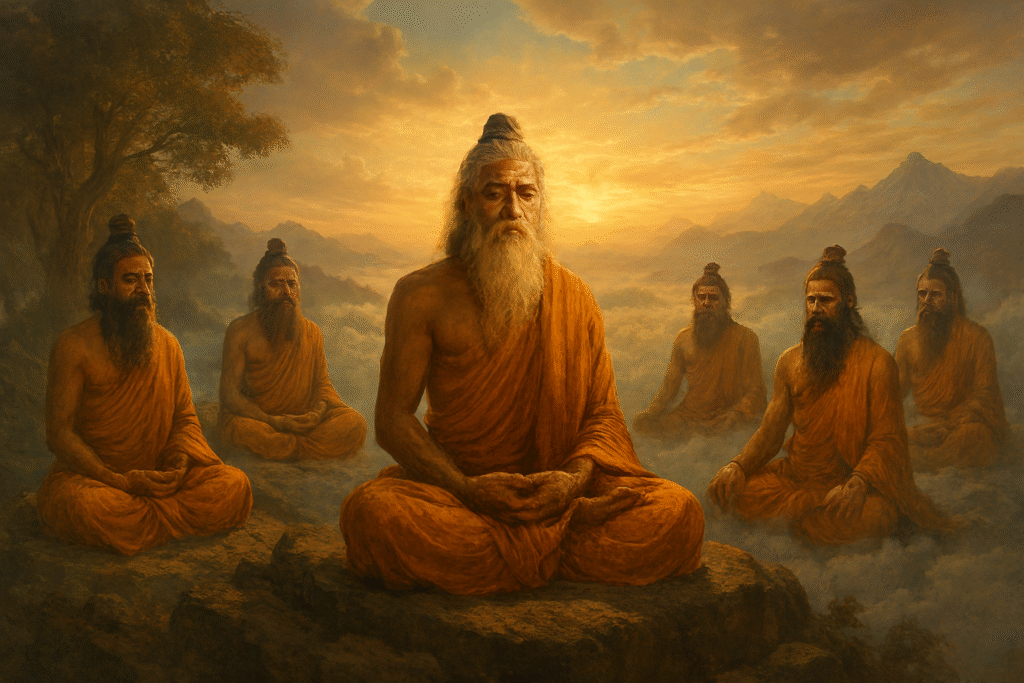
4. Mahar Loka – Home of Enlightened Sages and Rishis
Mahar Loka is one of the seven higher realms (Urdhva Lokas) in Hindu cosmology, and it holds profound spiritual significance—especially in the context of sages, seekers, and enlightened beings like the Saptarishis.
Mahar Loka is one of the seven higher realms (Urdhva Lokas) in Hindu cosmology, and it holds profound spiritual significance—especially in the context of sages, seekers, and enlightened beings like the Saptarishis.
Mahar Loka sits above the celestial heavens (Svar Loka) and below the realms of pure consciousness (Jana, Tapa, and Satya Lokas).
This realm is believed to be the abode of the Saptarishis, saints, and enlightened beings who have transcended the cycle of birth and death but choose to remain in subtle form to guide humanity. It is said that:
Symbolism and Relevance
Symbolism: The flowering of virtue — a realm of reward for righteous deeds, where joy, beauty, and abundance mirror the fruits of dharma. Relevance: Ruled by Indra, Svarga is a temporary station of bliss. It reminds seekers that even divine pleasures are impermanent, urging them to aim beyond enjoyment toward liberation.
Mahar Loka is not just a metaphysical location—it is a state of consciousness:For modern seekers, Mahar Loka represents the ideal of living with purpose, humility, and divine alignment—even amidst worldly chaos.
A place where ego dissolves and universal love prevails. A reminder that spiritual evolution is not about escape, but about service. A realm where wisdom flows like a river, nourishing all who seek truth. The abode of the Saptarishis, and other enlightened beings who guide humanity. A realm of compassion, forgiveness, and divine service. Souls here have transcended rebirth but remain accessible to the mortal world, offering guidance and grace. It is said that Mahar Loka survives even cosmic dissolution, preserving dharma across Yugas.
5. Svarga Loka (Swar Loka) – Realm of Indra and Celestial Pleasures
Svarga Loka is the radiant realm of the Devas, presided over by Indra, the king of the gods. It is a place of divine pleasures, celestial music, and the fulfillment of virtuous karma. Souls who have performed noble deeds and upheld dharma may ascend here to enjoy the fruits of their actions before continuing their spiritual journey. Yet, Svarga is not eternal — when one’s merits are exhausted, the soul returns to the cycle of rebirth, reminded that even heavenly joy is but a stepping stone toward liberation.
Svarga Loka
Symbolism: The flowering of virtue — a realm of reward for righteous deeds, where joy, beauty, and abundance mirror the fruits of dharma. Relevance: Ruled by Indra, Svarga is a temporary station of bliss. It reminds seekers that even divine pleasures are impermanent, urging them to aim beyond enjoyment toward liberation.
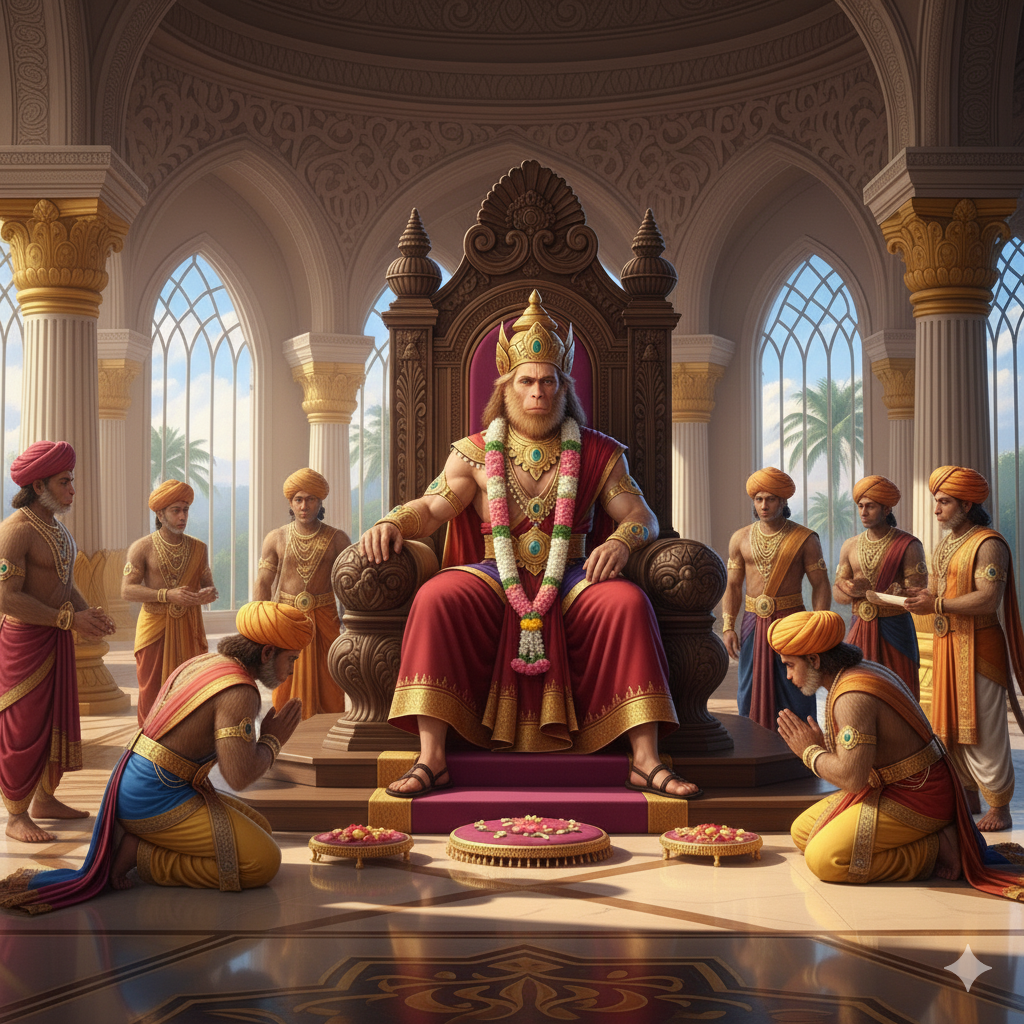
Also known as Svarga, this is the heavenly realm ruled by Indra, king of the devas. Filled with celestial gardens, rivers of nectar, music, and divine joy. Souls who perform virtuous deeds and rituals ascend here temporarily before returning to Earth. It represents reward, but not liberation—pleasure without permanence.
6. Bhuvar Loka – Space Between Earth and Sun
Bhuvar Loka is the subtle atmospheric realm that bridges the earthly plane (Bhuloka) and the celestial heavens. It is home to semi-divine beings such as Gandharvas, Yakshas, and celestial spirits, as well as sages who dwell in the space between worlds. Here, the vibrations are lighter than the earthly realm, yet still connected to human consciousness. It is often described as the sphere where mantras, prayers, and sacred sounds travel upward, carried by the wind of devotion toward the higher realms.
Symbolism: The bridge between the material and celestial — a liminal space of transition and subtle influence. It embodies the unseen forces that shape thought, inspiration, and subtle energies. Relevance: Inhabited by Siddhas, Gandharvas, and semi-divine beings, it is the realm where prayers, mantras, and intentions ascend. It also symbolizes the inner atmosphere of the mind — the space between impulse and realization.
The intermediate realm, often associated with the atmosphere or ether. Inhabited by celestial beings, spirits, and subtle energies. It is the realm of prana (life force) and the mental plane, influencing thoughts, dreams, and intuition. Acts as a gateway between the physical and spiritual worlds.
7. Bhur Loka – Earth Itself
Symbolism: The crucible of karma — the only loka where free will, choice, and transformation are possible. It represents the field of action, where the soul is tested through the interplay of pleasure, pain, duty, and desire. Relevance: In Hindu cosmology, Bhū Loka is precious because it is the gateway to higher realms. Even the gods value a human birth here, for it offers the rare chance to strive for moksha.
- Primary inhabitants: Humans, animals, plants, and all beings bound by the cycle of birth and death.
- Special presence: Avatāras of Vishnu, great kings, rishis in human form, and beings from higher lokas who descend for specific purposes.
- Role: The karmic field where souls earn merit or demerit through action (karma).
Primary inhabitants: Humans, animals, plants, and all beings bound by the cycle of birth and death. Special presence: Avatāras of Vishnu, great kings, rishis in human form, and beings from higher lokas who descend for specific purposes. Role: The karmic field where souls earn merit or demerit through action (karma).
The material realm, where humans, animals, and plants reside. The stage for karma, learning, and transformation. Though seemingly mundane, it is the most potent realm for spiritual growth, as free will and choice exist here. It is here that avatars descend, and where dharma is tested and lived.
They are linked in three main ways: cosmic geography, consciousness levels, and karmic pathways.
The Seven Lower Lokas
7 Lower Worlds (Adho-lokas / Pātālas) – realms beneath the earth, often materially opulent but spiritually denser:
- Atala
- Vitala
- Sutala
- Talātala
- Mahātala
- Rasātala
- Pātāla
Here’s the complete table for all 7 lower realms (Adho‑Lokas / Pātālas):
| Loka | Also Known As / Key Associations | Description in the Purāṇas |
|---|---|---|
| Atala | First of the seven Pātāla realms | Said to have been created by the yawning of the demon Bala; inhabited by beings with three types of women (svairiṇī, kāmiṇī, puṁścalī). Associated with pleasures and sense gratification. |
| Vitala | Second subterranean realm | Abode of Lord Śiva and Gaurī in certain Purāṇic accounts; produces a special gold called hāṭaka due to their presence. |
| Sutala | Third subterranean realm | Kingdom of Bali Mahārāja, the great devotee blessed by Vāmanadeva to rule here; considered more splendid than Svarga, with the Lord Himself as Bali’s doorkeeper. |
| Talātala | Fourth subterranean realm | Ruled by the demon architect Maya; filled with wondrous cities and magical technology; protected by Lord Śiva. |
| Mahātala | Fifth subterranean realm | Inhabited by many‑hooded Nāgas (serpent beings) who live in fear of Garuḍa; realm of great subterranean palaces. |
| Rasātala | Sixth subterranean realm | Home to Daityas and Dānavas (powerful asura clans) who are enemies of the Devas; described as dark and sunless. |
| Pātāla | Seventh and deepest subterranean realm | Ruled by the serpent king Vāsuki; adorned with dazzling jewels and treasures; despite its beauty, it is farthest from the spiritual light. |
Leave a Reply to The Eternal Flame of Wisdom: The Story of the Saptarishis – spiritualkhazana Cancel reply